by John Bickerton | Dec 31, 2025 | American Avant-Garde, Composers, Experimental Music
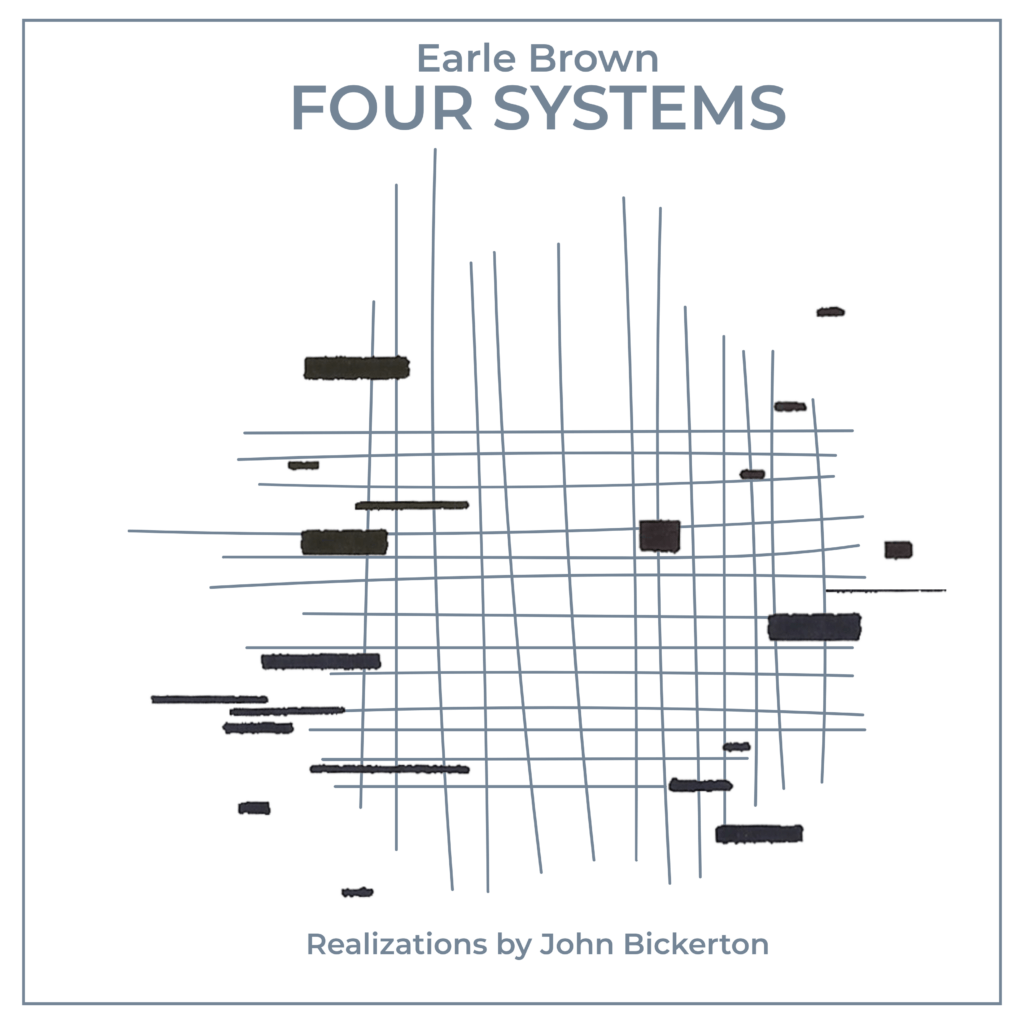
Four Systems is a landmark “open-form” graphic score composed by Earle Brown on the afternoon of January 20, 1954. It was created as a spontaneous birthday present for pianist David Tudor while Brown and John Cage were backstage at the Brooklyn Academy of...

by John Bickerton | Jun 2, 2025 | 20th Century Opera, American Avant-Garde, Composers, Experimental Music
The Unique Structure of Robert Ashley’s Television Opera Robert Ashley’s Perfect Lives employs a deliberately unconventional narrative structure that significantly departs from traditional opera and from typical linear storytelling. The narrative follows an...

by John Bickerton | May 14, 2025 | American Avant-Garde, Composers, Experimental Music
John Cage’s Radio Music, composed in 1956, is intended to be performed as a solo or ensemble piece for 1 to 8 performers, each using one radio. The piece has a specified duration of exactly six minutes. Radio Music was composed during a period when Cage heavily...

by John Bickerton | May 12, 2025 | American Avant-Garde, Composers, Experimental Music
Contemporary artists have explored and reimagined 0′00″ in new contexts.Composed in 1962, 0′00″—also known as 4′33″ No. 2—is seen as a major turning point in Cage’s work. It represents a clear break from his earlier style and marks the beginning of a new direction in...

by John Bickerton | May 8, 2025 | American Avant-Garde, Composers, Experimental Music
John Cage’s Variations IV, composed in 1963, is the fourth work in his series of eight Variations written between 1958 and 1967. It is considered the second part of a group of three works, preceded by Atlas Eclipticalis (1961–62) and followed by...

by John Bickerton | May 6, 2025 | American Avant-Garde, Composers, Experimental Music
John Cage’s Atlas Eclipticalis, composed in 1961–62, is an orchestral work that can also be performed by any ensemble, whether chamber or orchestral, and with any type and number of instruments. It is regarded as the first in a sequence of three works, followed...